I’m an Embedded Software Developer.
Currently working in IIT Delhi as Project Engineer.
Introduction

What I have Studied so far
Hemvati Nandan Bahuguna Garhwal University (HNBGU), Srinagar(Uttarakhand)
Shri Satyanarayan inter college,Shamli
My Journey

IIT Delhi

CDAC Pune

Bharat Electronics Limited,Kotdwara,Kotdwar(Uttarakhand)
IIT Delhi
Feb 2025 - Present
Continuous Learning


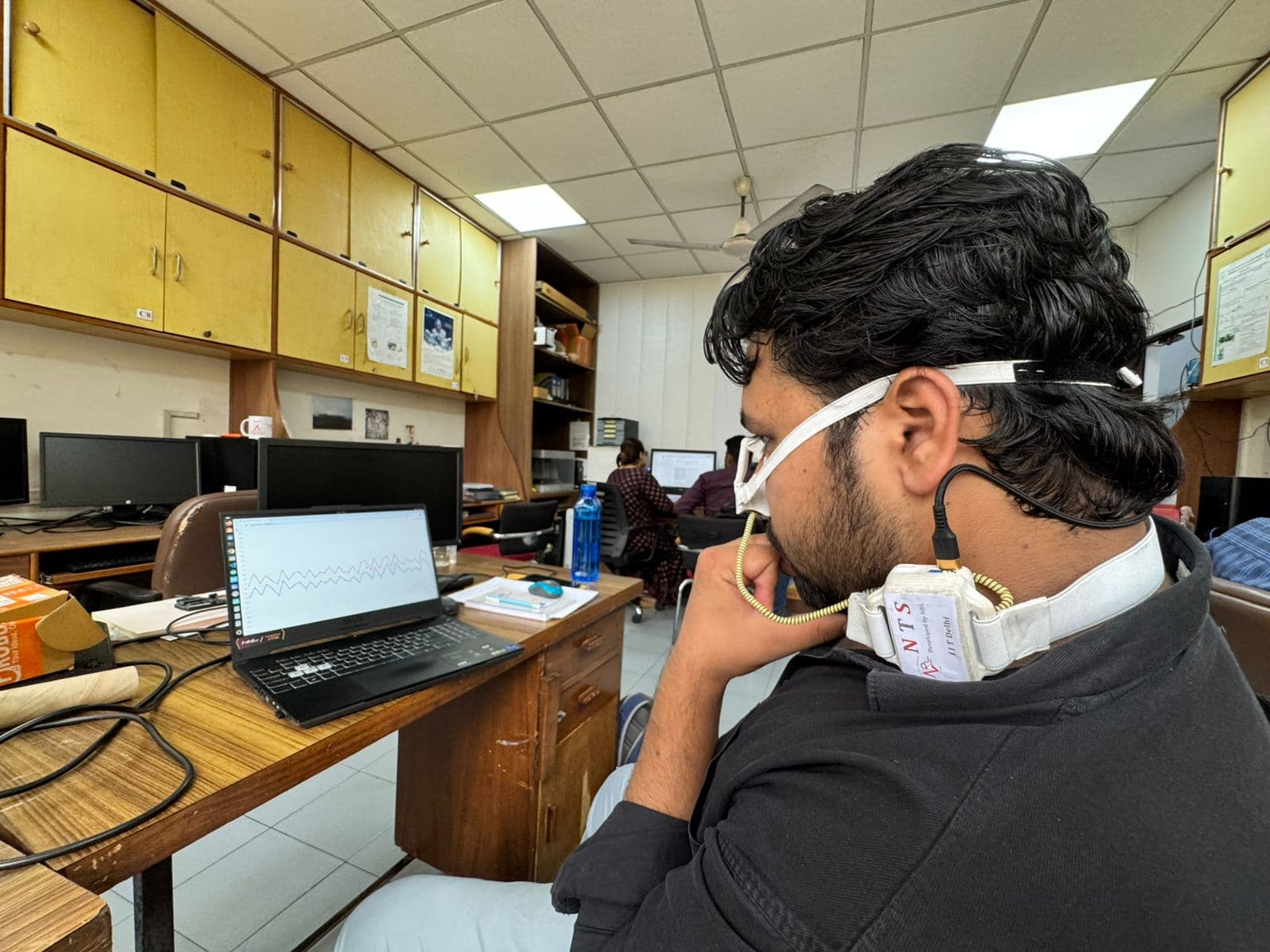
I am developing a wireless breath monitoring device that uses the BME280 environmental sensor to detect inhalation and exhalation patterns by analyzing subtle changes in temprature near the nose or mouth. I am handling the firmware development, PCB design, and overall electronic system integration of the device. Sensor interfacing and signal processing, WiFi-enabled data transmission, Cloud integration (e.g., Firebase, MQTT, or custom APIs), Power optimization and embedded coding.
#Firmware
#ESP32 Microcontroller
#WiFi + Cloud Communication
#Custom PCB Design (Altium/KiCad)
#Embedded C/C++ or Arduino Framework
#MATLAB
#3D Designing


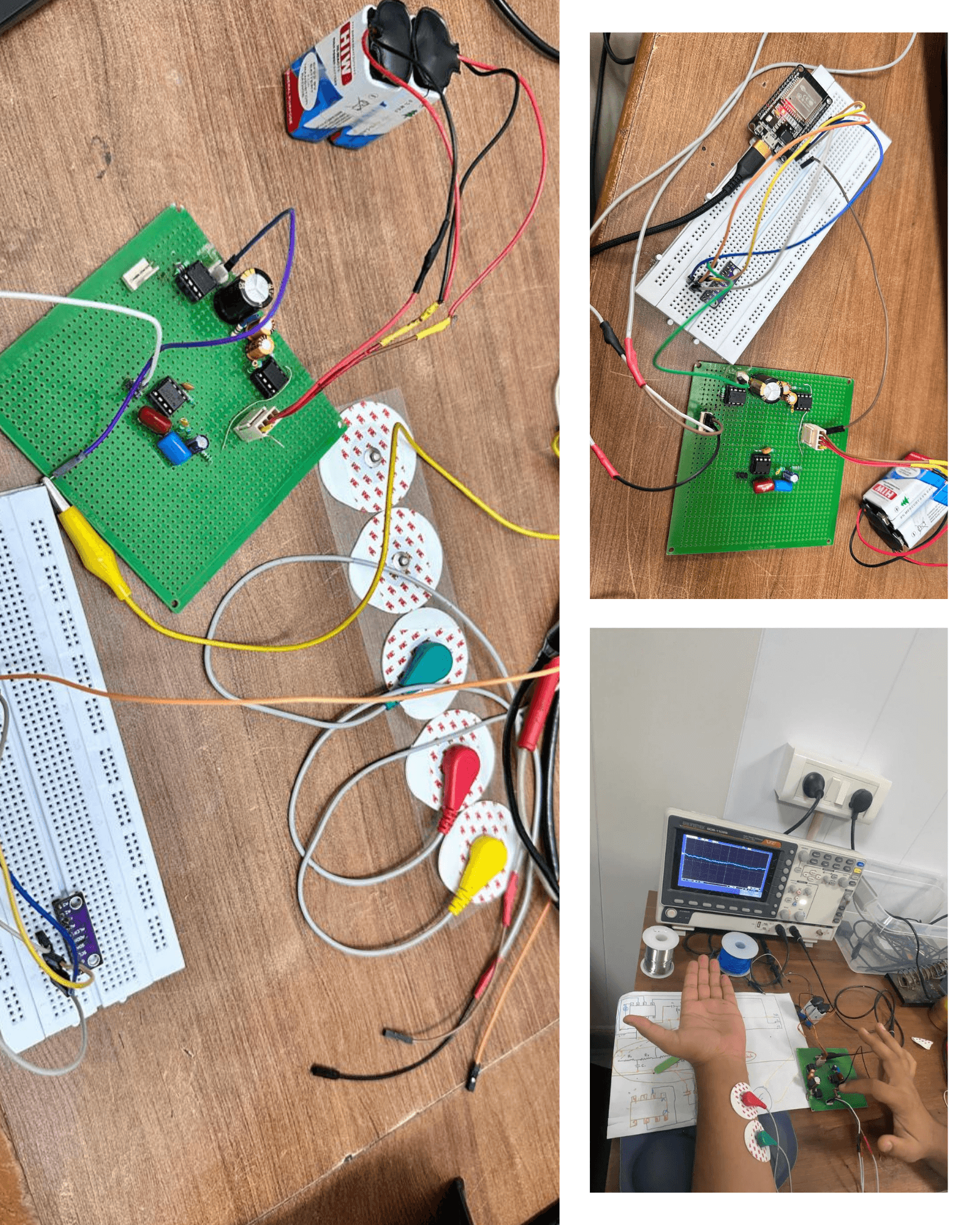
This device is designed to detect muscle activity and strength in the human body by capturing EMG signals. It processes the analog signals generated by muscle contractions and sends the data to a graphical plotter for visualization.To ensure accurate signal conversion, I use an external ADC (ADS1115), which converts the weak analog EMG signals into digital data for further analysis and display.
#ADS1115 External ADC for high-resolution signal conversion
#Microcontroller ESPP32 for processing and communication
#Filtering and Amplification circuits for signal conditioning
#Circuit Designinng
#MATLAB: Real-time data plotting via serial communication


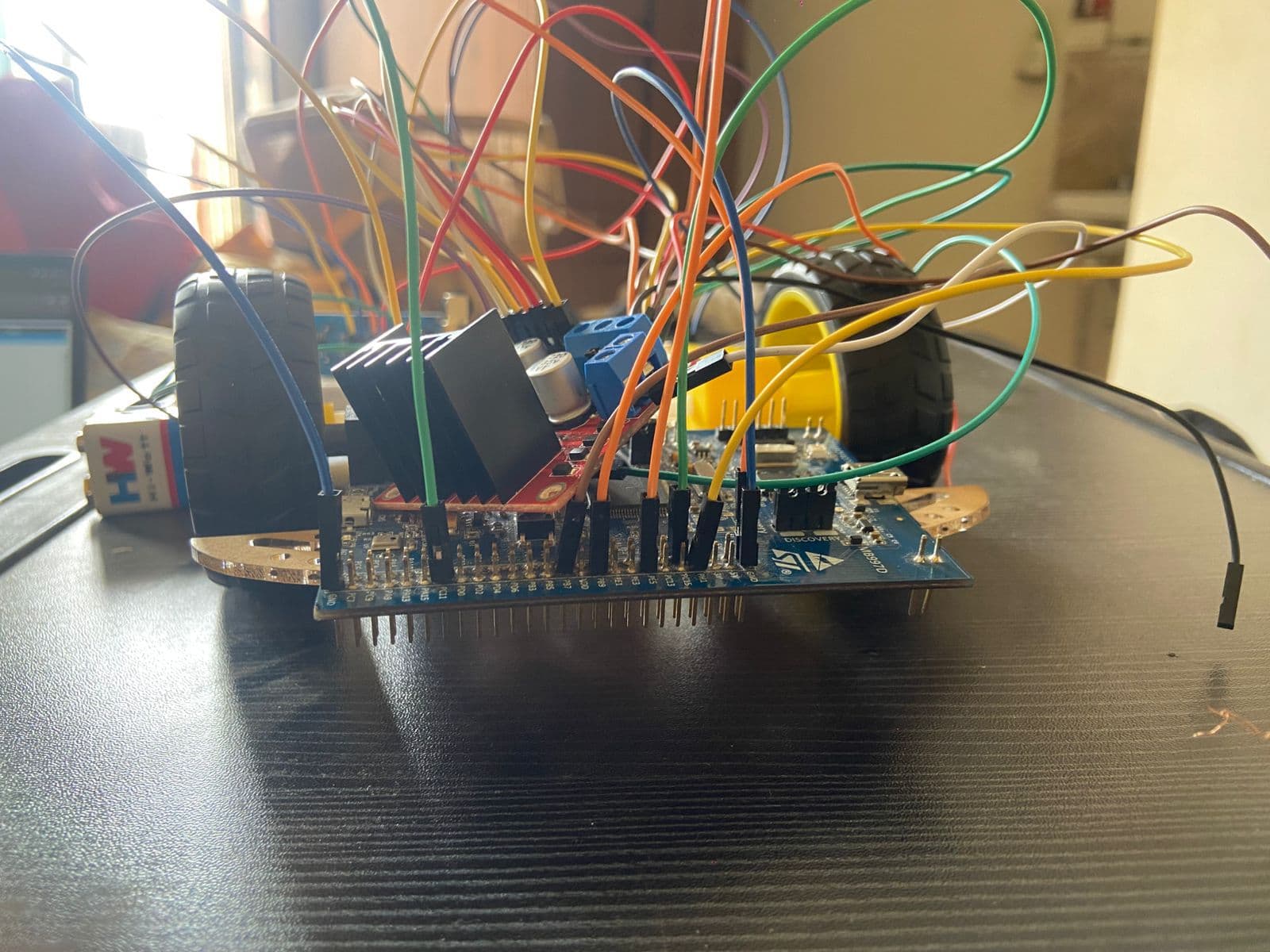
A landmine detection robot using an STM32 microcontroller works by integrating sensors (like ultrasonic sensor, coil), and user interface interaction to detect landmine with the help of metal detector and using GPS module send the real time location to the user help of the GSM module. And very useful L298N Motor driver to control the wheels.The robot uses a metal detector sensor (inductive coil-based) to identify underground metallic objects that resemble landmines. It also integrates ultrasonic sensors for obstacle avoidance and GPS + GSM modules for real-time location tracking and remote data transmission.
#STM32 Microcontroller – for core logic and sensor processing
#Ultrasonic Sensor – for obstacle detection and navigation
#GPS Module – to acquire the robot’s current coordinates
#GSM Module (SIM800L) – to send real-time location via SMS
#L298N Motor Driver – for controlling DC motors and robotic wheel movement


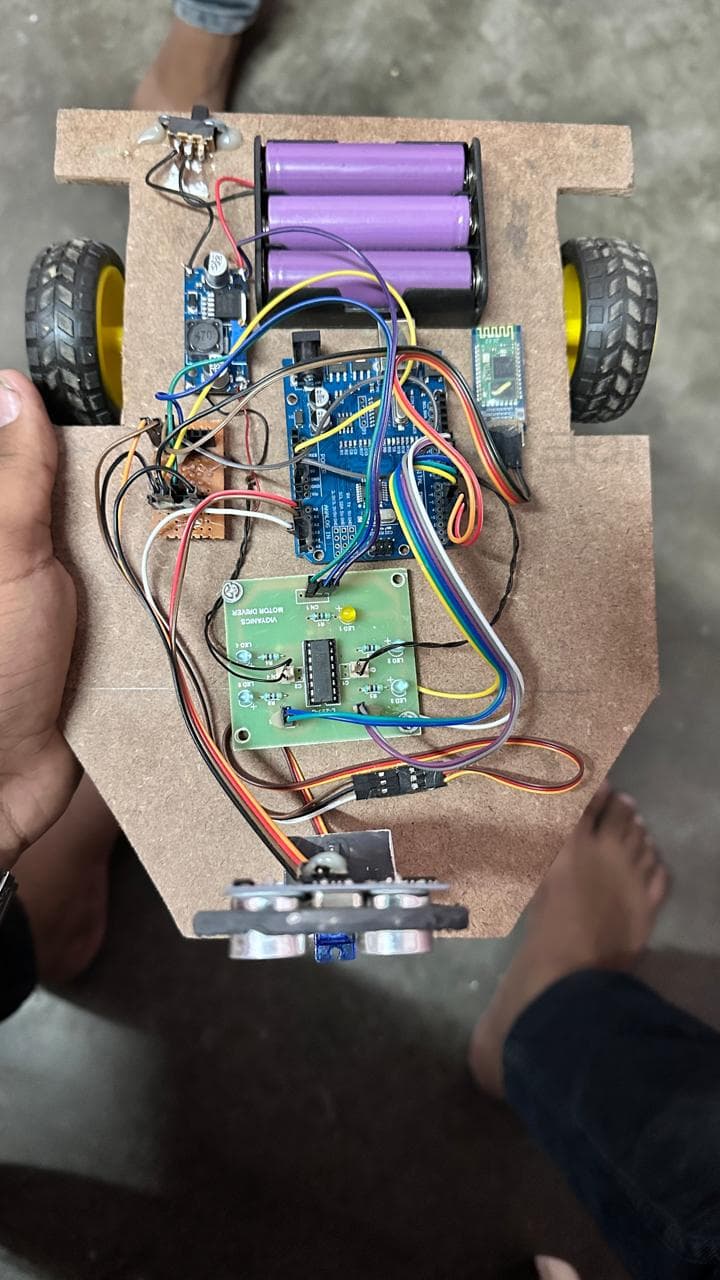
This project focuses on building an autonomous robotic car capable of detecting and avoiding obstacles using an ultrasonic sensor.The robot uses an ultrasonic sensor (HC-SR04) mounted at the front to continuously measure the distance between the robot and any obstacles ahead. If an object is detected within a predefined range, the robot automatically changes its direction to avoid a collision. A Bluetooth module (HC-05) is also integrated to allow remote control and monitoring using a smartphone or other Bluetooth-enabled device.
#Features: Real-time obstacle detection and avoidance,Wireless control via mobile app (Bluetooth)
#Microcontroller: Arduino UNO
#Ultrasonic Sensor (HC-SR04)
#Bluetooth Module (HC-05)
#Power Supply (Li-ion or 9V battery)


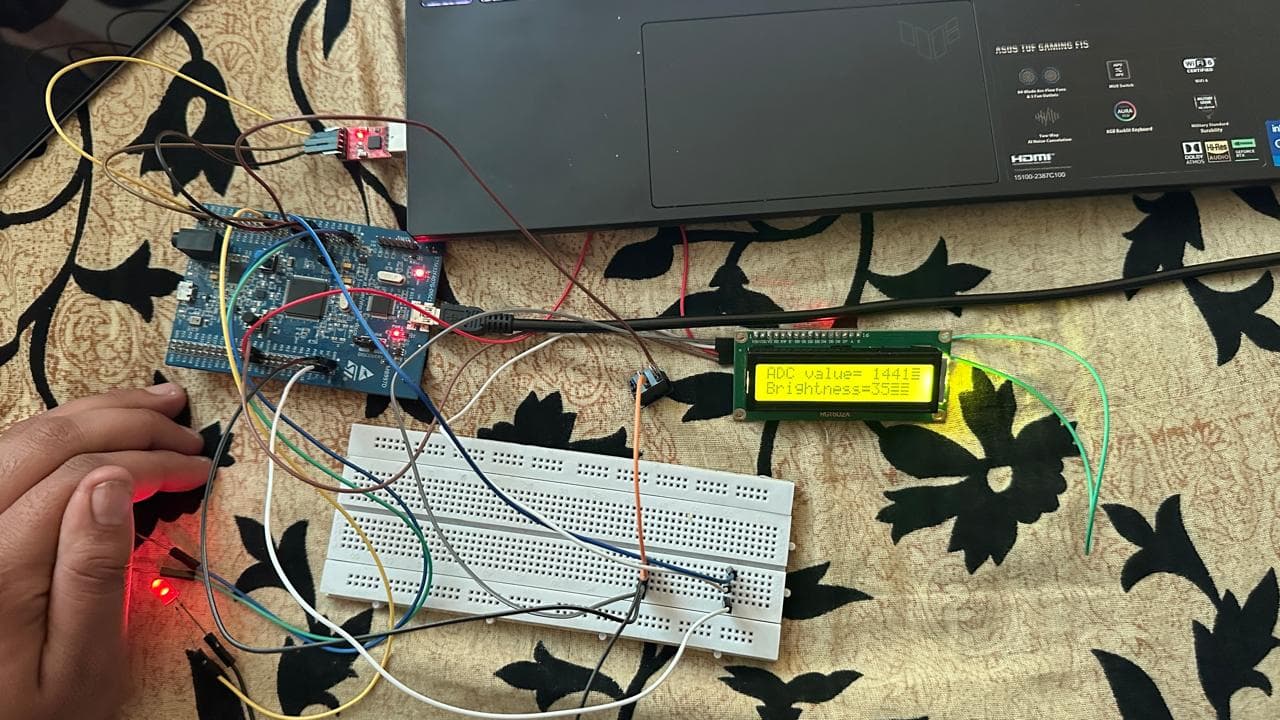
I have developed another embedded systems project—a Smart Light Control System that combines automation with manual control to improve energy efficiency. The system uses an LDR sensor to automatically adjust LED brightness based on ambient light levels. It also features a manual override with two push buttons to toggle the LED ON/OFF. Real-time data, including light intensity and brightness levels, is displayed on an HD44780 LCD via I2C, and UART communication enables remote monitoring and data logging. Built using an STM32 microcontroller, the project integrates key functionalities such as ADC, PWM, GPIO, I2C, a
#STM32 Microcontroller – Core controller for system operations
#LDR (Light Dependent Resistor) – For ambient light detection
#PWM (Pulse Width Modulation) – To control LED brightness
#ADC (Analog-to-Digital Converter)
#External Interrupts – To handle manual override button inputs


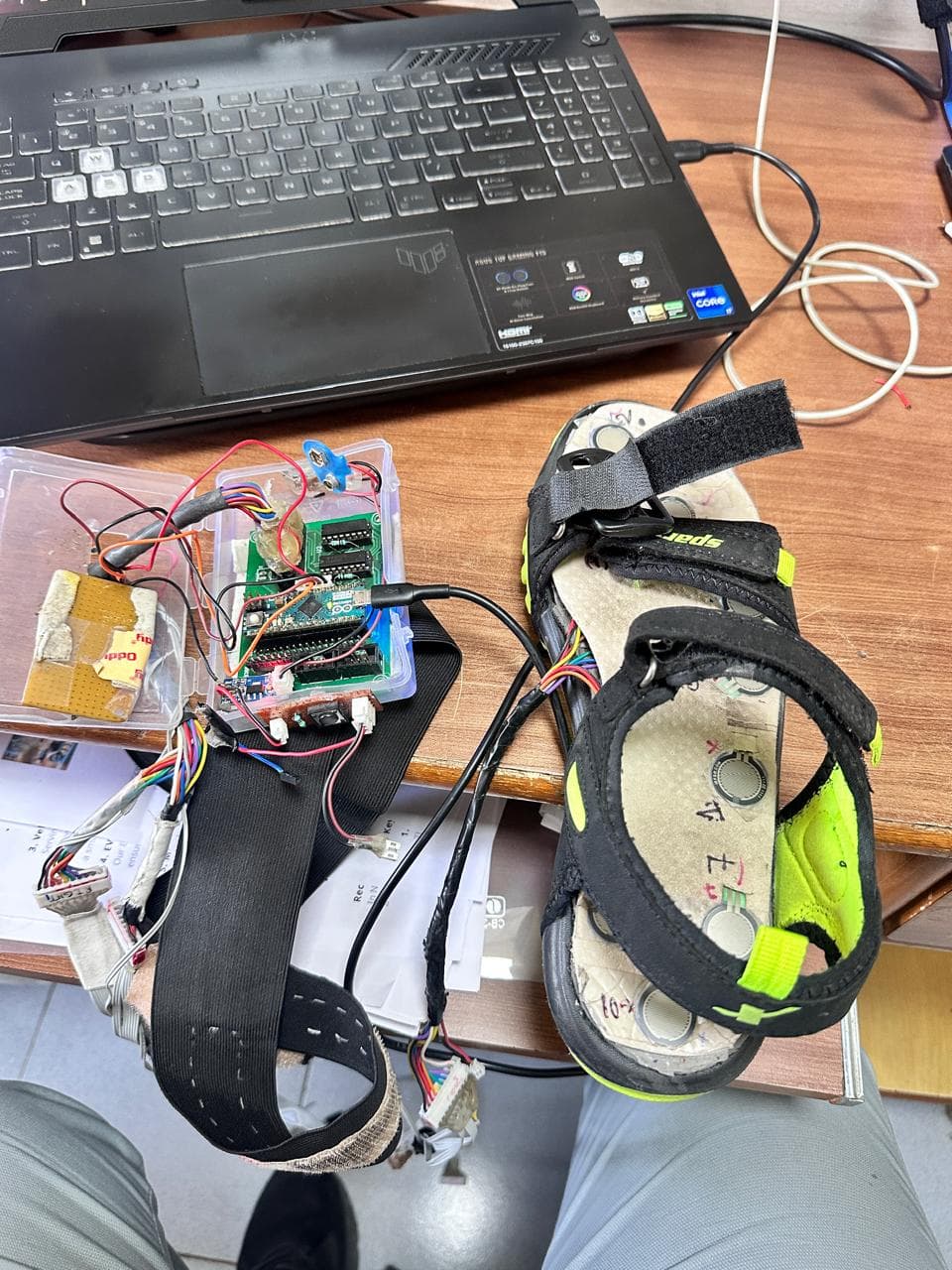
I’m currently working as part of a team on a Gait Analysis System, which uses microcontrollers and force sensors to detect pressure distribution from different parts of the foot during walking. I have contributed to both firmware development and hardware integration, enabling real-time data transmission to a display interface. This system allows doctors to monitor gait patterns for diagnostic and rehabilitation purposes, making it useful in clinical, sports, and biomedical applications.
#Force Sensors (FSR / Pressure Sensors) – To detect foot pressure distribution
#ADC (Analog-to-Digital Converter) – For reading analog sensor data
#Embedded C / C++ – For firmware development
#Data Logging Interface – To store and analyze walking patterns
#Real-Time Plotting Tools (e.g., Python, MATLAB)


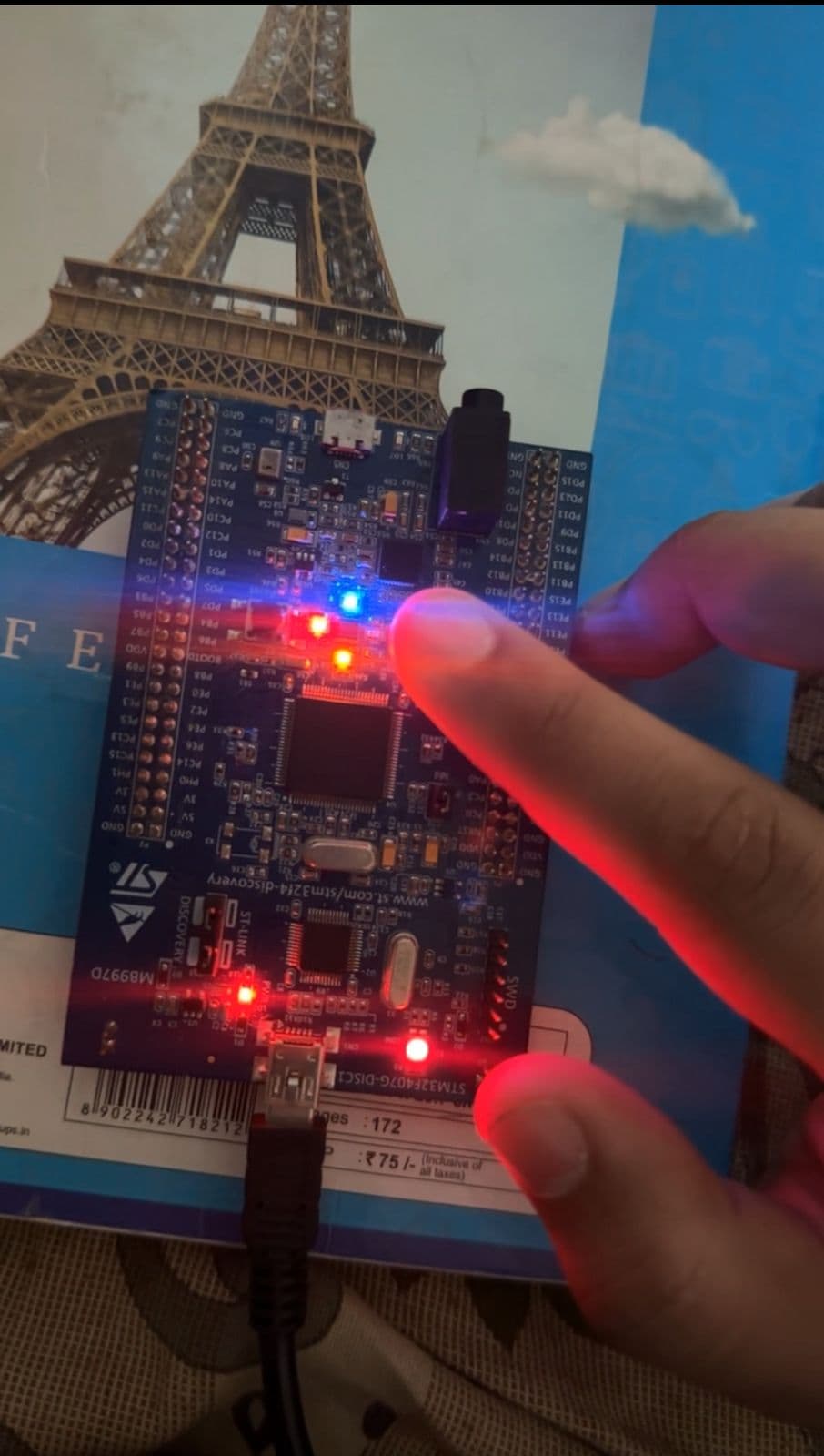
This project focuses on controlling multiple LEDs using a single push-button through interrupt-based input handling.The key challenge addressed in this project is the switch bouncing effect, which is common in mechanical switches and can lead to multiple false triggers. To ensure stable operation, software debouncing logic is implemented within the interrupt handler. Working Principle-When the button is pressed,it triggers an external interrupt,The interrupt service routine (ISR) includes debounce logic (using time delay or flag check) to avoid multiple unwanted triggers.
#Embedded C/STM32CubeIDE: For firmware development
#Timer or Delay Functions
#Software Debouncing: Implemented using delay or timer-based logic
#Multiple GPIO Outputs: To control multiple LEDs
Get in touch